Introduction 🪷🙏
Hatha Yoga stands out as one of the most widely embraced yoga styles globally, celebrated for its gentle yet systematic approach to enhancing strength and flexibility. For beginners, diving into Hatha Yoga provides an excellent opportunity to nurture physical and mental equilibrium. This practice emphasizes the integration of body and mind, making it suitable and advantageous for individuals of any age or fitness level. In this guide, we delve into the core aspects of Hatha Yoga, equipping you with the foundational insights needed to commence your practice with assurance and mindfulness.
Exploring Hatha Yoga 🧘
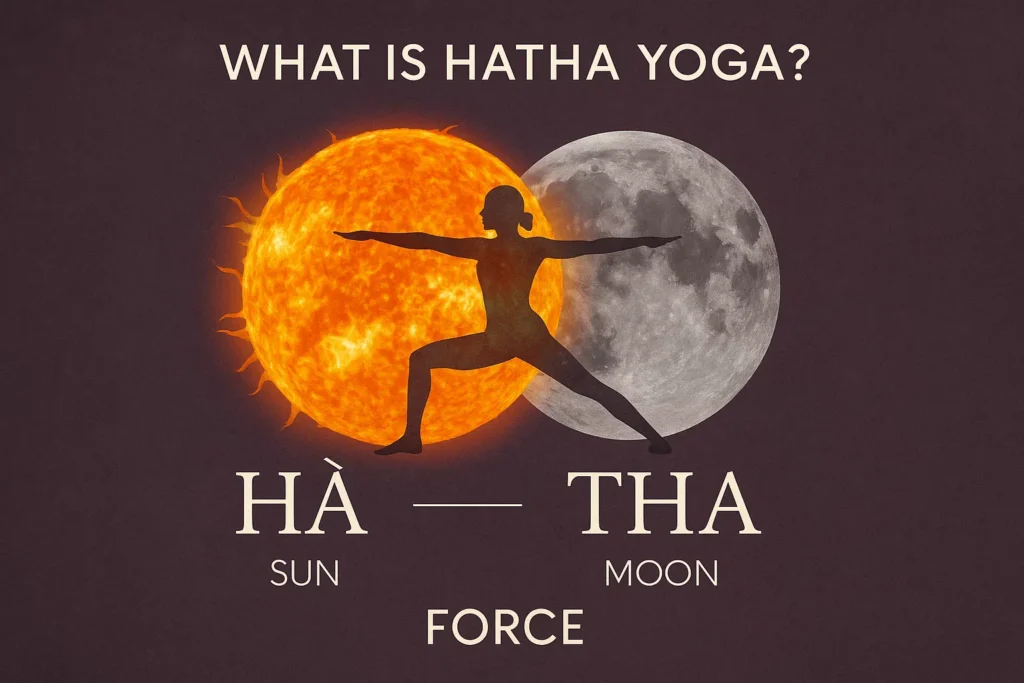
Hatha Yoga is a yoga discipline that prioritizes physical postures, known as asanas, and breath regulation, referred to as pranayama. The word “Hatha” originates from the Sanskrit words “ha” (sun) and “tha” (moon), symbolizing the equilibrium of opposing energies. This practice seeks to harmonize these energies within the body, enhancing overall well-being. Typical Hatha Yoga sessions involve a series of postures performed at a deliberate pace, allowing practitioners to concentrate on alignment, strength, and flexibility. As a novice, you will be introduced to a range of postures that lay the groundwork for more advanced practices in the future. For further exploration, consider reading about the benefits of Hatha Yoga for mental health on YogaSmartHub.
🪷🪷🪷
Key Hatha Yoga Postures 🧘♀️
In Hatha Yoga, practicing a variety of postures aids in improving physical health and mental clarity. It’s crucial for beginners to start with fundamental asanas to develop awareness and control. Common introductory poses include Tadasana (Mountain Pose) for enhancing posture and balance, Adho Mukha Svanasana (Downward-Facing Dog) for stretching and strengthening the entire body, and Virabhadrasana I (Warrior I) for building strength in the legs and core. Each posture is maintained for several breaths, promoting mindfulness and focus. As you advance, you’ll gain a deeper appreciation of how these postures work in unison to create a cohesive practice.
🪷🪷🪷
The Importance of Breath in Hatha Yoga 🧘♂️
Breath awareness is a crucial component of Hatha Yoga, acting as a conduit between the body and mind. Pranayama, or breath control, is incorporated to enhance focus and relaxation. Beginners are typically introduced to simple breathing methods like Ujjayi Pranayama, which involves deeply inhaling and exhaling through the nose while gently constricting the throat. This technique aids in calming the mind and boosting oxygen intake, supporting the overall practice. By aligning breath with movement, practitioners achieve a meditative state that amplifies the physical and mental advantages of yoga.
🪷🪷🪷
Building a Consistent Hatha Yoga Routine 🙏
Creating a regular Hatha Yoga practice is essential for experiencing its enduring benefits. Beginners should strive to practice consistently, beginning with brief sessions and gradually extending the duration as confidence grows. It’s vital to heed your body’s signals and honor its limitations, adjusting postures as necessary to avoid injury. Integrating mindfulness and patience into your practice will encourage steady progress and heightened self-awareness. Additionally, finding a supportive community, whether through local classes or online resources, can offer encouragement and motivation as you cultivate your practice.
Science Behind This Practice 🧘♂️
Research indicates that regular Hatha Yoga practice can contribute to improved cardiovascular health by reducing stress and enhancing circulation. This finding highlights the potential physical benefits of incorporating Hatha Yoga into a routine.

Related Practices 🧘♂️
Trusted Sources 🙏
Disclaimer 🪷
This information is for general guidance. Readers should speak with a qualified health provider before making changes to exercise routines.
Explore more guides and routines at Yoga Smart Hub. 🧘♀️