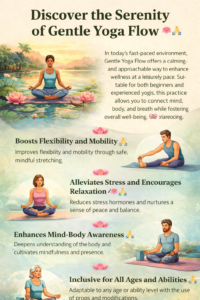

In today’s fast-paced world, stress has become an almost constant companion for many people. The demands of work, family, and personal life can often leave us feeling overwhelmed and anxious. However, yoga offers a sanctuary from the chaos. It is a practice that not only strengthens the body but also calms the mind. Through mindful movement and breath, yoga can be a powerful tool to alleviate stress instantly. In this article, we will explore the top yoga poses that can help you find peace and tranquility amidst the hustle and bustle of daily life.
Understanding Stress and Yoga
Before diving into the poses, it is essential to understand how yoga helps in reducing stress. Stress triggers the body’s fight or flight response, leading to physiological changes such as increased heart rate, heightened alertness, and a surge of adrenaline. While this response is crucial for survival, chronic stress can lead to negative health outcomes, including anxiety, depression, and cardiovascular issues.
Yoga counteracts stress by activating the parasympathetic nervous system, which promotes relaxation and healing. Through a combination of physical postures, breath control, and meditation, yoga encourages a state of calm awareness. This holistic approach helps in lowering cortisol levels, reducing muscle tension, and improving overall well-being.
1. Child’s Pose (Balasana)
Child’s Pose is a gentle resting pose that provides a sense of security and calm. It is an excellent way to release tension in the back, shoulders, and neck while encouraging deep breathing.
How to Practice:
- Kneel on the floor with your big toes touching and knees spread apart.
- Sit back on your heels and extend your arms forward, lowering your torso between your thighs.
- Rest your forehead on the mat and breathe deeply, allowing your body to relax with each exhale.
Child’s Pose helps in grounding the mind and is a perfect starting point for stress relief.
2. Cat-Cow Pose (Marjaryasana-Bitilasana)
The Cat-Cow Pose is a dynamic movement that helps to release tension in the spine and improve flexibility. This gentle flow between two poses increases circulation and encourages mindfulness through coordinated breath and movement.
How to Practice:
- Start on your hands and knees with wrists aligned under shoulders and knees under hips.
- Inhale, arch your back, and lift your head and tailbone toward the ceiling (Cow Pose).
- Exhale, round your back, tuck your chin to your chest, and draw your navel toward your spine (Cat Pose).
- Continue flowing between these two poses, synchronizing your breath with your movements.
This practice not only helps in reducing stress but also enhances spinal flexibility and balance.
3. Forward Fold (Uttanasana)
Forward Fold is a calming pose that stretches the hamstrings and releases tension in the neck and shoulders. By inverting the body, this pose encourages blood flow to the brain, promoting relaxation and mental clarity.
How to Practice:
- Stand with your feet hip-width apart and fold forward from the hips, keeping a slight bend in the knees.
- Let your head hang heavy and arms dangle toward the floor.
- Breathe deeply, allowing gravity to draw you closer to the earth.
Forward Fold is especially beneficial for calming the mind and relieving stress-related headaches.
4. Legs Up the Wall Pose (Viparita Karani)
Legs Up the Wall Pose is a restorative inversion that soothes the nervous system and reduces stress. By elevating the legs, this pose enhances circulation and promotes relaxation.
How to Practice:
- Sit with one side of your body against the wall, then swing your legs up the wall as you lower your back to the floor.
- Adjust your position so that your sit bones are close to the wall, and your legs are resting comfortably against it.
- Close your eyes and focus on your breath, staying in the pose for 5-10 minutes.
This pose is ideal for relieving fatigue and calming a racing mind.
5. Corpse Pose (Savasana)
Corpse Pose is the ultimate relaxation pose, allowing the body and mind to integrate the benefits of the practice. It is a time for stillness and surrender, promoting deep rest and rejuvenation.
How to Practice:
- Lie flat on your back with arms at your sides, palms facing up.
- Close your eyes and take slow, deep breaths, focusing on the rise and fall of your chest.
- Allow your entire body to relax, releasing any tension with each exhale.
Spending a few minutes in Corpse Pose at the end of your yoga practice can significantly reduce stress and enhance overall well-being.
6. Seated Forward Bend (Paschimottanasana)
Seated Forward Bend is a grounding pose that stretches the spine, shoulders, and hamstrings. This pose encourages introspection and calmness, helping to alleviate stress and anxiety.
How to Practice:
- Sit with your legs extended in front of you and your spine straight.
- Inhale, lengthen your spine, and exhale as you fold forward from the hips, reaching for your feet or shins.
- Relax your head and neck, and breathe deeply as you hold the pose for several breaths.
Seated Forward Bend is an excellent way to turn inward and find tranquility.
7. Bridge Pose (Setu Bandhasana)
Bridge Pose is a heart-opening pose that strengthens the back and reduces anxiety. By lifting the chest and opening the heart, this pose promotes a sense of openness and calm.
How to Practice:
- Lie on your back with knees bent and feet hip-width apart.
- Press your feet into the floor as you lift your hips toward the ceiling.
- Interlace your fingers under your back and press your arms into the mat for support.
- Breathe deeply and hold the pose for several breaths before slowly lowering down.
Bridge Pose is beneficial for reducing stress and boosting mood.
Conclusion
Yoga offers a gentle yet effective way to alleviate stress instantly. By incorporating these poses into your daily routine, you can cultivate a sense of calm and resilience in the face of life’s challenges. Remember that yoga is a personal practice, and it is essential to listen to your body and move at your own pace. With regular practice, you will find that yoga not only helps in managing stress but also enhances your overall well-being, leading to a more balanced and joyful life.
Embrace the transformative power of yoga and discover the peace that lies within. Namaste.
#ChatGPT assisted in the creation of this article.