
In today’s fast-paced world, the pursuit of mindfulness has become more critical than ever. With the constant influx of information and the demands of modern life, finding inner peace and maintaining mental clarity can be challenging. Yoga, an ancient practice that combines physical postures, breathing techniques, and meditation, offers a powerful pathway to mindfulness and heightened daily calm. This article delves into how yoga can be an effective tool for cultivating mindfulness, providing practical insights and techniques to integrate into your daily routine.
The Connection Between Yoga and Mindfulness
Yoga and mindfulness are intrinsically linked, each enhancing the other. Mindfulness is the practice of being fully present in the moment, aware of your thoughts, feelings, and sensations without judgment. Yoga, with its emphasis on breath and body awareness, naturally fosters this state of presence. When practiced mindfully, yoga encourages a deeper connection with oneself, promoting a sense of calm and reducing stress.
Benefits of Yoga for Mindfulness
Physical Benefits
Yoga offers numerous physical benefits that contribute to mindfulness. The practice enhances flexibility, strength, and balance, leading to improved body awareness. By focusing on alignment and movement, yoga encourages practitioners to tune into their physical sensations, promoting a mindful connection with the body.
Mental and Emotional Benefits
The mental and emotional benefits of yoga are profound. Regular practice can reduce anxiety, depression, and stress, creating a more peaceful and balanced mind. Yoga teaches practitioners to observe their thoughts and emotions with compassion, helping to cultivate a non-reactive and accepting mindset. This emotional resilience is a cornerstone of mindfulness.
Spiritual Benefits
For many, yoga is a spiritual journey that deepens their connection with themselves and the world around them. Through meditation and introspection, yoga encourages self-discovery and a sense of purpose, enriching the practice of mindfulness.
Key Yoga Practices for Mindfulness
Breath Awareness (Pranayama)
Pranayama, the practice of breath control, is a foundational element of yoga that significantly enhances mindfulness. Techniques such as deep belly breathing, alternate nostril breathing, and Ujjayi breath focus the mind and calm the nervous system. By directing attention to the breath, practitioners cultivate a sense of presence and tranquility.
Mindful Movement (Asana)
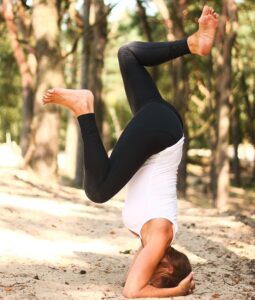
Asana, the physical postures of yoga, are not just exercises but opportunities for mindfulness. When performed with awareness, each movement becomes a meditation in motion. Paying attention to the sensations, alignment, and flow of breath during asana practice helps anchor the mind in the present moment.
Meditation and Relaxation
Meditation is a central component of yoga that enhances mindfulness. Practices such as seated meditation, body scan, and guided visualization promote deep relaxation and mental clarity. By dedicating time to stillness and introspection, individuals can cultivate a heightened sense of awareness and inner peace.
Incorporating Yoga into Your Daily Routine
Create a Dedicated Space
Designate a quiet and clutter-free space in your home for yoga practice. A peaceful environment enhances focus and encourages a mindful mindset. Consider adding elements such as calming colors, plants, and soft lighting to create an inviting sanctuary for your practice.
Set a Regular Schedule
Consistency is key to reaping the benefits of yoga for mindfulness. Establish a regular practice schedule that fits your lifestyle, whether it’s in the morning to start your day with calm or in the evening to unwind. Aim for at least 15-30 minutes of mindful yoga practice daily.
Start with Intention
Begin each practice session by setting an intention. This could be a word or phrase that encapsulates your focus, such as “peace,” “balance,” or “gratitude.” Setting an intention helps keep your mind centered and aligned with your mindfulness goals.
Mindful Yoga Practices to Try
Sun Salutations (Surya Namaskar)
Sun Salutations are a series of flowing postures that invigorate the body and calm the mind. Practicing this sequence mindfully encourages coordination of breath and movement, fostering a meditative state. Focus on each inhale and exhale as you transition through the poses, maintaining awareness of your body’s sensations.
Yin Yoga
Yin Yoga is a slow-paced style that involves holding poses for extended periods, typically 3-5 minutes. This practice targets deep connective tissues and encourages introspection. The stillness of Yin Yoga provides an opportunity to observe thoughts and emotions without judgment, promoting mindfulness.
Yoga Nidra
Yoga Nidra, also known as yogic sleep, is a guided relaxation practice that induces a state of deep rest. It involves lying down and following verbal instructions, leading to profound relaxation and heightened awareness. Yoga Nidra is a powerful tool for mindfulness, as it trains the mind to remain aware while the body rests.
Overcoming Challenges in Yoga for Mindfulness
Dealing with Distractions
Distractions are a common challenge in mindfulness practice. Whether it’s external noise or internal thoughts, recognizing and gently redirecting your focus back to the present moment is essential. Practice non-judgmental awareness and use the breath as an anchor to navigate distractions.
Managing Restlessness
Restlessness can arise during yoga practice, especially for beginners. Acknowledge any discomfort or impatience without resistance. Embrace the practice of acceptance, understanding that restlessness is a natural part of the journey toward mindfulness.
Embracing Imperfection
Mindfulness is not about achieving perfection but embracing the present moment as it is. Release any expectations or judgments about your practice. Each session is an opportunity for growth and self-discovery, regardless of perceived success or failure.
Conclusion: Elevating Daily Calm Through Yoga
Yoga for mindfulness offers a transformative approach to cultivating inner peace and elevating daily calm. By integrating breath awareness, mindful movement, and meditation into your routine, you can develop a heightened sense of presence and resilience. Whether you’re new to yoga or a seasoned practitioner, the journey toward mindfulness is a lifelong exploration of self-awareness and serenity. Embrace the practice with an open heart, and let yoga guide you toward a more mindful and fulfilling life.
For a deeper look at how mindfulness supports emotional balance, Harvard Health offers a helpful overview of simple techniques you can use daily . https://www.health.harvard.edu/mind-and-mood/mindfulness-meditation