Yoga is a holistic practice that encompasses physical, mental, and spiritual dimensions. Among its numerous benefits, enhancing flexibility is one of the most sought-after outcomes. Flexibility not only improves physical performance but also reduces the risk of injuries and promotes overall well-being. This ultimate yoga stretching guide aims to offer a comprehensive approach to achieving flexibility mastery through yoga.
Understanding Flexibility in Yoga
Flexibility refers to the range of motion available in a joint or group of joints. In yoga, flexibility is not just about physical pliability but also involves releasing mental and emotional tension. The practice of yoga encourages the body to move freely, allowing for greater expression and comfort in poses.
The Science of Stretching
The Role of Muscles and Connective Tissues
Muscles, tendons, and ligaments play a crucial role in flexibility. Stretching helps elongate these tissues, promoting elasticity and strength. Regular practice can lead to increased muscle length and reduced stiffness, facilitating greater mobility.
Types of Stretching in Yoga
There are several types of stretching techniques used in yoga, including static, dynamic, and PNF (proprioceptive neuromuscular facilitation). Static stretching involves holding a position for a prolonged period, while dynamic stretching incorporates movement to improve flexibility. PNF involves a combination of stretching and contracting muscles to enhance flexibility.
Essential Yoga Poses for Flexibility
Seated Forward Bend (Paschimottanasana)
This pose stretches the spine, shoulders, and hamstrings. Begin seated with legs extended. Inhale, lengthen the spine, then exhale and hinge at the hips, reaching forward. Hold the pose while focusing on your breath.
Downward-Facing Dog (Adho Mukha Svanasana)
A staple in yoga practice, this pose stretches the hamstrings, calves, and shoulders. From a tabletop position, tuck your toes and lift your hips towards the ceiling, forming an inverted V shape. Keep your spine long and engage your core.
Cow Face Pose (Gomukhasana)
This pose targets the shoulders, chest, and hips. Sit with knees stacked and feet on either side. Extend one arm overhead and the other behind your back, clasping your hands. If clasping is difficult, use a strap.
Lizard Pose (Utthan Pristhasana)
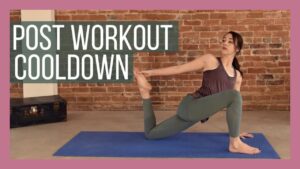
Ideal for opening the hips and hamstrings, begin in a low lunge with your back knee down. Place your hands inside the front foot, and if accessible, lower onto your forearms.
Developing a Consistent Practice
Establishing a Routine
Consistency is key to mastering flexibility through yoga. Set aside dedicated time each day or week for your practice. Whether it’s 10 minutes a day or an hour several times a week, regularity helps the body adapt and improve.
Listening to Your Body
Yoga is a personal journey. Pay attention to your body’s signals and respect its limits. Overstretching can lead to injury, so practice patience and be mindful of your progress.
Breathwork and Flexibility
Breathwork, or pranayama, plays a vital role in enhancing flexibility. Deep, conscious breathing helps relax the muscles, reduces tension, and increases oxygen flow, facilitating more effective stretching. Incorporate pranayama techniques like Ujjayi breath during your practice to deepen stretches and enhance focus.
Common Mistakes and How to Avoid Them
Forcing the Stretch
Flexibility is a gradual process. Avoid pushing your body into uncomfortable positions. Instead, focus on gentle, progressive stretching to prevent injury and facilitate sustainable progress.
Neglecting Warm-Up
A proper warm-up is essential for preparing the body for stretching. Engaging in light cardio or dynamic movements before stretching increases blood flow and reduces the risk of strains.
Incorporating Props
Props such as blocks, straps, and bolsters can assist in achieving proper alignment and depth in stretches. They provide support and make poses more accessible, especially for beginners or those with limited flexibility.
Progress Tracking and Patience
Keep a journal of your yoga practice to track progress over time. Celebrate small victories and be patient with your journey. Flexibility improvement is a gradual process that varies for each individual.
Conclusion
Mastering flexibility through yoga is a rewarding journey that enhances not only physical capabilities but also mental resilience and emotional well-being. By understanding the principles of stretching, practicing essential poses, maintaining consistency, and incorporating breathwork, you can achieve significant improvements in flexibility. Remember, yoga is a personal practice, so honor your body and enjoy the path to flexibility mastery.
#ChatGPT assisted in the creation of this article.